
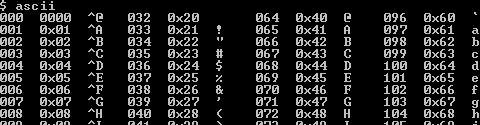
Most computer science students choose to follow such a career because of the high-level implications of writing code. For example, introductory programming course focus primarily on writing code to solve small problems. With this teaching method, a lot of the foundation algorithmic thinking that we learned in the class is not taught to most students. Building blocks like binary representation of numbers and string, image representation, history of computing, ethics and so much more was never taught during my 3 years of programming experience. During our lab today, I reflected back upon the purpose and content of the class in the broader view of the Digital Age, such as what I will work with as an intended Computer Science major, and my role in the programming world.
Although most of the students in the class are not Computer Science majors, but CSC105 is a class worthy of explaining low-level concepts in a fun and interactive way. Although it is not easy to explain concepts like machine language and sorting algorithms, they separate a good from a great programmer. In essence, this class prepares us with a solid foundation for the endeavor of a Computer Science major.
When we discussed the ethics of writing code, there is a fine line between writing code aimed at improving or harming society. In fact, an article that we read covers the perspective of a programmer writing code for the military, which is used to target and kill people. After the reading and the lecture of ethics, I wondered what my code can do to better society, but also what ways it can be used to inflict harm. Just like academics in other fields discover and reviewing new information about their areas of study, programmers take a big role in the future of the Digital Age. Therefore, I wonder how code can be determined as good or bad since one program can do both depending on the user.

As someone who has never taken a class in the traditional CS track, it is interesting for me to hear your perspective on this. I think in many Grinnell courses, there are things that get cut out because there simply is not time to cover everything. In computer science, the big ethical questions apparently do not make the cut. Maybe this is another reason the liberal arts are beneficial even to computer science majors. You may not talk extensively about ethics in your CS class, but it’s likely you’ll take a philosophy or sociology class that would make you think about the ethics of technology and its role in society.
I was speaking with professor Rodrigues during her office hours about the importance for understanding computing concepts for lay people. It seems to me that although I never see myself going into the field of computer science I also think that to be a responsible global citizen we should have a basic understanding of computing concepts. If we take a look at the Senate hearings on Cambridge Analytica scandal we can see that the digital age is not well understood by our political elites. Perhaps it could also be part of the open source community (if this doesn’t already exist) that could provide educational material about the tech sector. This seems to be a recurring theme especially in politics that the complexities of specialized sectors of the market (ie banking and the housing crisis).